
PCNL / Mini-PCNL in India
PCNL / Mini-PCNL in India
Patients with large or complex kidney stones often start by checking the PCNL surgery cost in India against prices for the same procedure at home.
Trusted by patients from Uganda, Sierra Leone, DR Congo, South Sudan, Ethiopia and 30+ countries for affordable, high-success urology care.
What Is PCNL / Mini-PCNL?
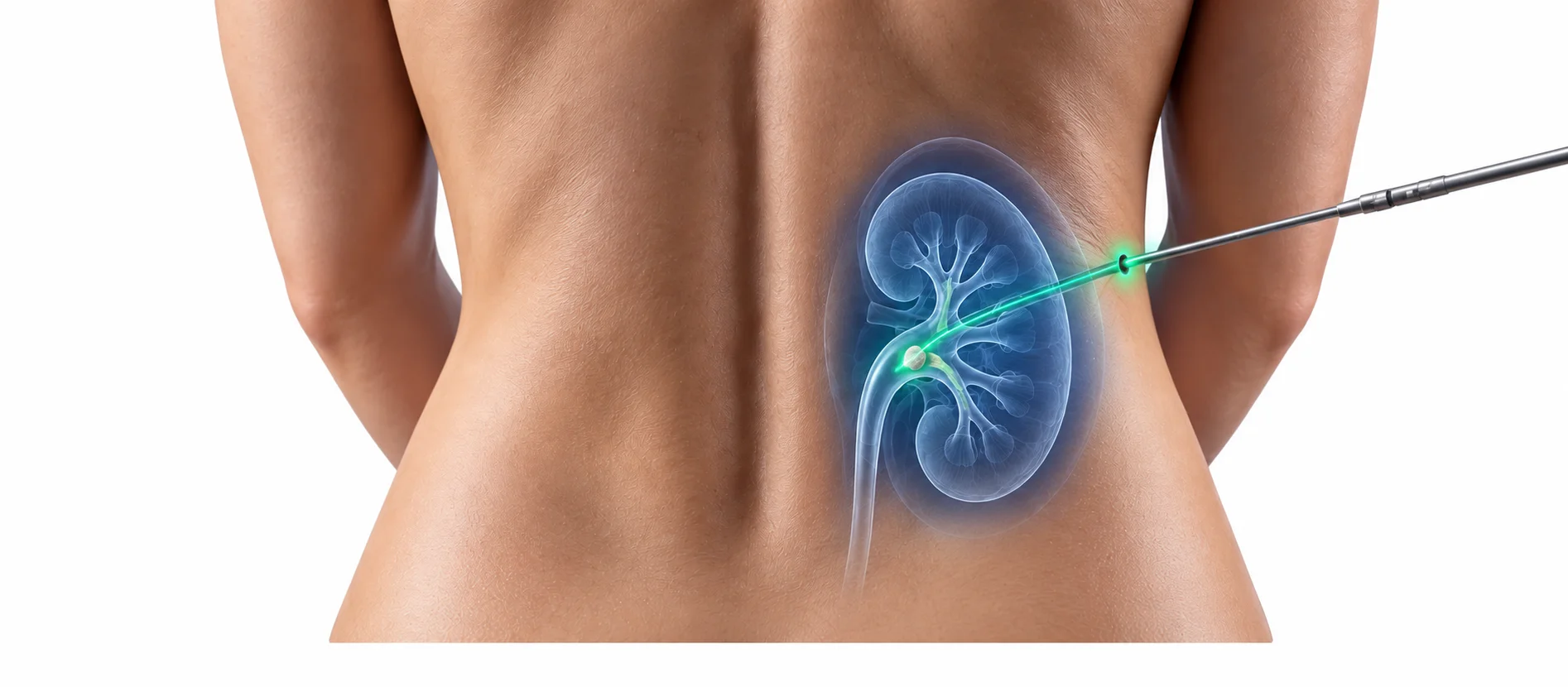
When a kidney stone is too large for laser ureteroscopy, generally over 2 cm, or sits in a position that can't be reached from below, the approach changes. PCNL (Percutaneous Nephrolithotomy) accesses the stone from the back, through the skin.
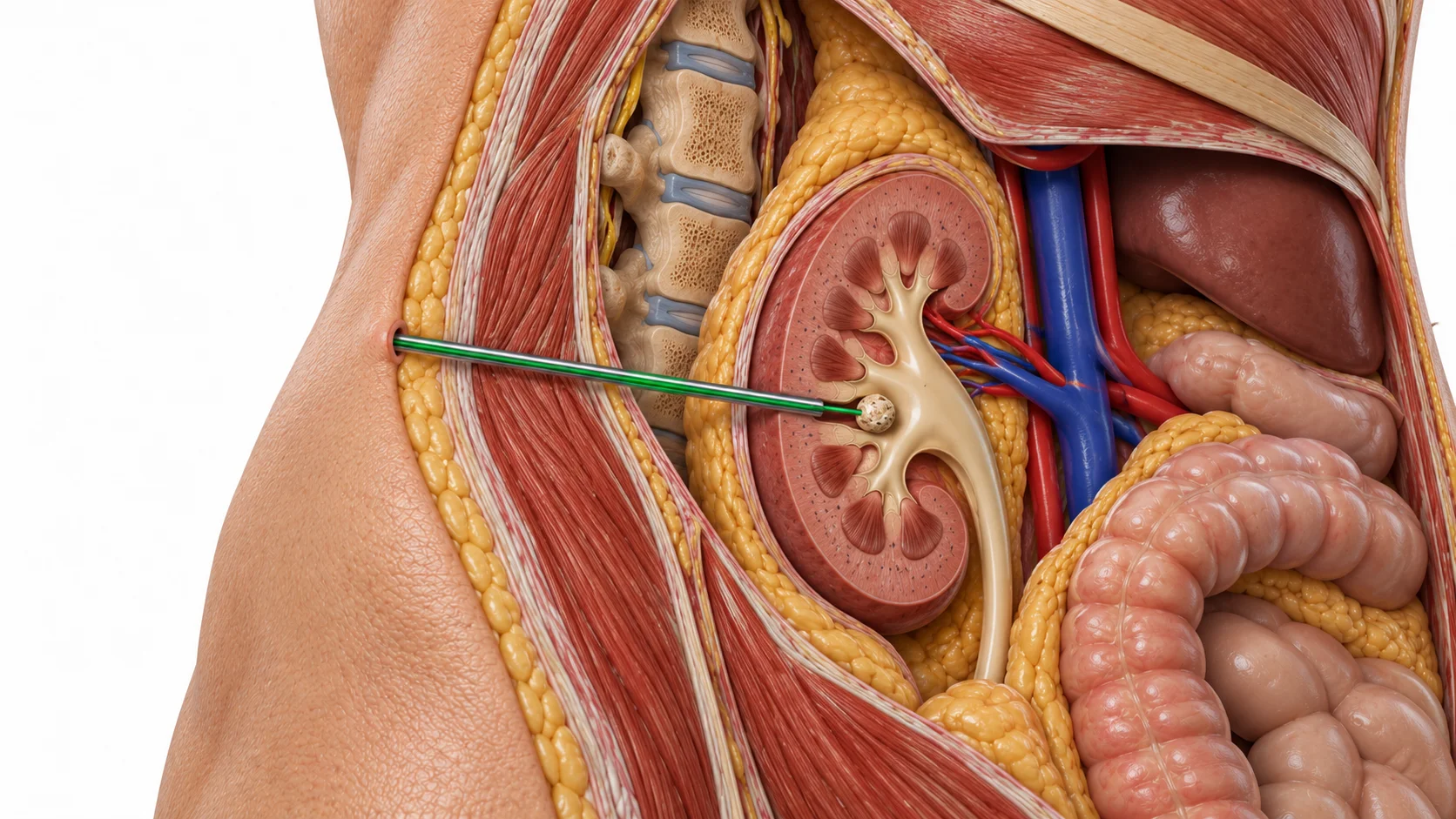
Under X-ray or ultrasound guidance, the surgeon makes a small puncture directly through the skin into the kidney, establishes a working channel, and passes a camera and instruments through it to fragment and remove the stone directly. You can read more about treatment approaches for larger kidney stones from the NIDDK's overview of kidney stone treatment.
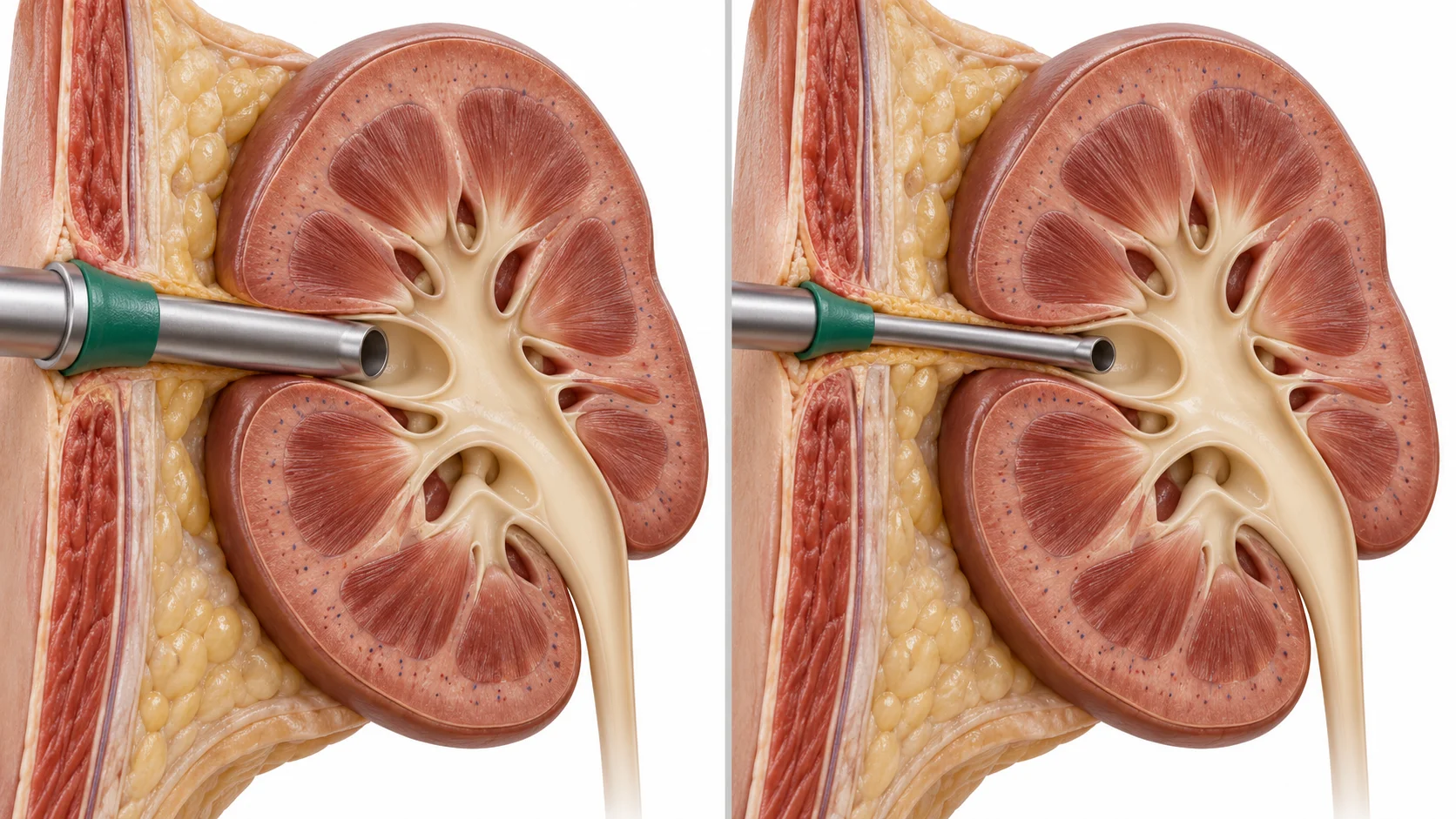
This approach allows very large stones, even staghorn calculi that fill the entire kidney collecting system, to be cleared in a single procedure or in staged sessions. Mini-PCNL uses smaller diameter tubes, reducing trauma to the kidney tissue, bleeding risk, and recovery time while achieving similar stone clearance rates — it has largely replaced standard PCNL in experienced centres for stones in the 2–4 cm range.
Who Needs PCNL or Mini-PCNL?
- A kidney stone over 2 cm, too large for laser ureteroscopy
- A stone in a position within the kidney that can't be reached from below
- Staghorn calculi filling the entire kidney collecting system
- Stones in the 2–4 cm range, where mini-PCNL offers similar clearance with less trauma
- A previous URS or RIRS attempt that couldn't fully clear the stone
- A large or complex stone burden best cleared in a single procedure rather than multiple smaller sessions
Your urologist will confirm whether PCNL or mini-PCNL is right for your stone's size and position after reviewing your imaging. For smaller or more accessible stones, you may also want to read our kidney stone removal cost in India page on URS and RIRS.
Types of PCNL We Facilitate
The right approach depends on the stone's size, position, and complexity.
Standard PCNL
The established approach for large and complex stones, clearing stone burden that no other minimally invasive technique can reach.
Mini-PCNL
Uses smaller diameter tubes to reduce trauma, blood loss, and recovery time, with similar stone clearance rates for stones in the 2–4 cm range.
Staged PCNL
For staghorn or very large stone burdens, clearance is achieved across planned sessions rather than a single operation.
PCNL with Nephrostomy Management
A temporary drainage tube supports kidney healing after the procedure, with a clear plan for its removal.
What to Expect — Step by Step

Pre-operative assessment
Imaging confirms the stone's size, position, and complexity, and guides whether standard or mini-PCNL is the right approach.
Percutaneous access
Under X-ray or ultrasound guidance, the surgeon makes a small puncture through the skin directly into the kidney.
Stone fragmentation and removal
A working channel allows a camera and instruments through, fragmenting and removing the stone directly.
Nephrostomy tube placement
A temporary drainage tube is typically left in place to support kidney healing after the procedure.
Hospital recovery (2–4 days)
You're monitored in hospital while the kidney heals and drainage is assessed before discharge.
Follow-up and tube removal
Follow-up imaging confirms stone clearance, and the nephrostomy tube is removed once healing is confirmed.
Key Benefits
Clears large stones, including those too big for any other minimally invasive approach, in a single procedure
Stone-free rates of 85–90% for appropriately selected cases
Far less invasive than open kidney surgery, the only option for large stones before PCNL was developed
Mini-PCNL reduces blood loss, pain, and recovery time compared to standard PCNL
India's very high PCNL procedure volumes mean urologists experienced across the full range of stone complexity
Often avoids the need for open surgery entirely, even for the largest and most complex stones
Risks — and What We Do to Minimise Them
Like any percutaneous procedure, PCNL and mini-PCNL carry risks including infection, bleeding, and rarely, injury to surrounding organs. Some stone fragments may need a further session to fully clear, and the temporary nephrostomy tube can cause some discomfort while it's in place.
These risks are why we only work with accredited hospitals with experienced urologists, precise image-guided access technique, and mini-PCNL technology to reduce trauma where appropriate. Your urologist will review your personal risk profile in detail before you commit to the procedure.
PCNL Surgery Cost in India
| Region | Package Cost (USD) |
|---|---|
| India | $2,500 – $5,500 |
| Singapore | $10,000 – $25,000 |
| United Kingdom | $10,000 – $20,000 |
| United States | $20,000 – $50,000 |
Prices are indicative, all-inclusive package estimates covering the procedure, hospital stay, and nephrostomy management. Actual cost depends on the hospital, stone complexity, and your individual clinical profile. Contact Health Nirvaana for a personalised quote.
Frequently Asked Questions
What is the PCNL surgery cost in India?
PCNL surgery cost in India typically ranges from $2,500 to $5,500 as an all-inclusive package, compared to $20,000–$50,000 in the United States for the same procedure.
What's the difference between PCNL and mini-PCNL?
Both access the kidney through the skin to clear large stones. Mini-PCNL uses smaller diameter tubes, reducing trauma to the kidney tissue, bleeding risk, and recovery time, while achieving similar stone clearance rates. It has largely replaced standard PCNL in experienced centres for stones in the 2–4 cm range.
How is PCNL different from URS or RIRS?
URS and RIRS reach the stone through the natural urinary tract with no incisions, and are used for stones up to about 2 cm. PCNL accesses the kidney directly through a small puncture in the skin, making it the right choice for larger stones, over 2 cm, or stones in positions not reachable from below.
Can PCNL treat staghorn kidney stones?
Yes. PCNL allows very large stones, including staghorn calculi that fill the entire kidney collecting system, to be cleared in a single procedure or in staged sessions.
How long is recovery after PCNL?
Most patients stay in hospital for 2–4 days. Mini-PCNL generally means less pain and a faster recovery than standard PCNL, thanks to the smaller tubes used.
How long do I need to stay in India?
We recommend 10–14 days, covering the procedure, hospital stay, and follow-up imaging to confirm stone clearance before flying home. Your care coordinator will confirm the schedule for your specific case.
Why Choose Health Nirvaana
We work only with accredited hospitals and experienced urologists with high PCNL procedure volumes, so your PCNL surgery cost in India stays transparent from your first enquiry to your flight back home.
Ready to take the next step?
Share your CT scan and reports with our team and get a personalised treatment plan and cost estimate — no obligation.