
Heart Valve Replacement Surgery in India
Heart Valve Replacement Surgery in India
Trusted by patients from Uganda, Sierra Leone, DR Congo, South Sudan, Ethiopia and 30+ countries for affordable, high-success cardiac care.
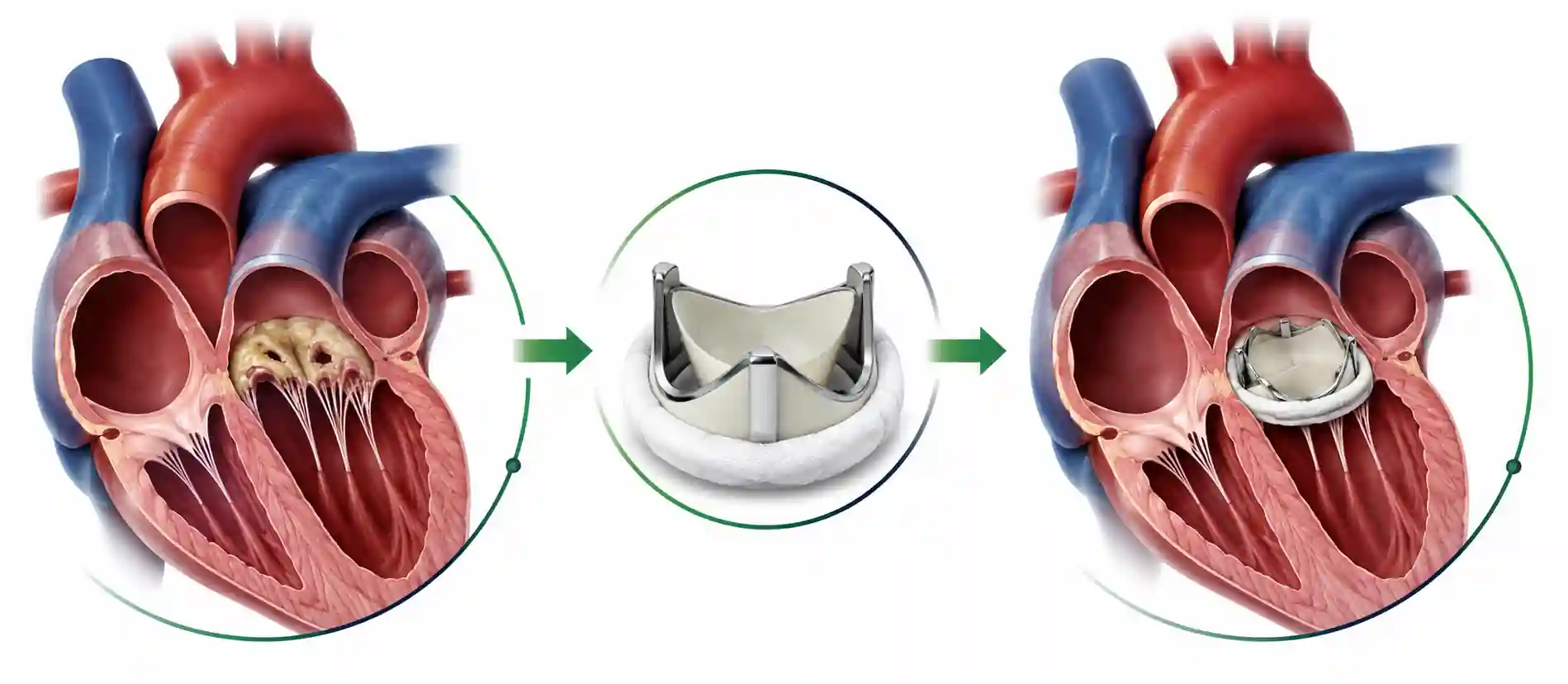
What Is Heart Valve Replacement Surgery?
Your heart has four valves that act like doors, opening and closing with every heartbeat to keep blood flowing in the right direction.
When a valve becomes damaged, stiff, or leaky — due to age, infection, or a birth defect — it can strain the heart and cause shortness of breath, fatigue, or swelling in the legs. Heart valve replacement surgery removes the faulty valve and puts in a new one — either a mechanical valve or a biological valve made from animal tissue — restoring normal blood flow and greatly relieving symptoms.
Most commonly the aortic or mitral valve is affected. Depending on your condition, your surgeon may recommend valve repair rather than full replacement — repair is possible in some cases and preserves more of your own valve tissue.
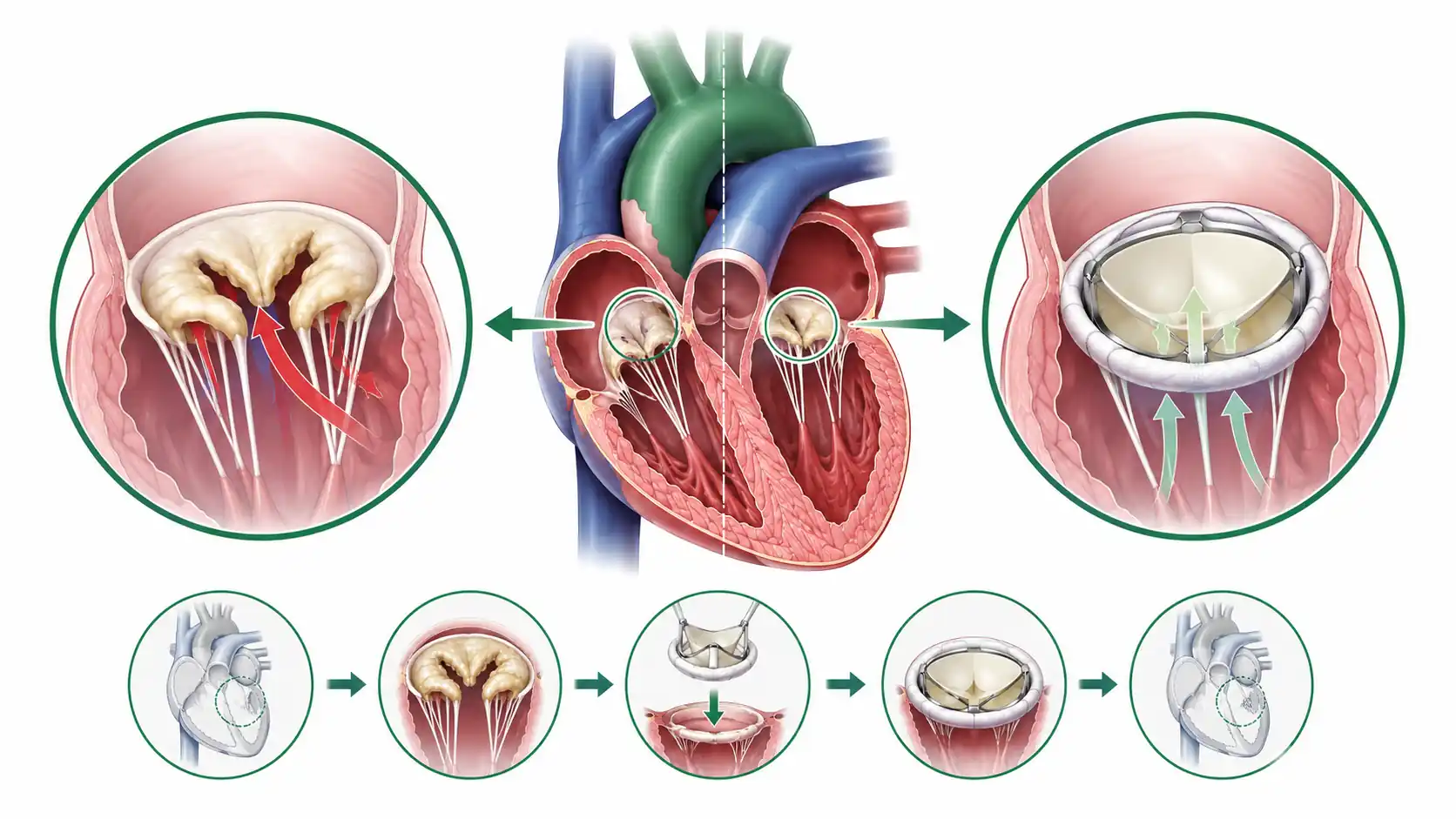
Who Needs Heart Valve Replacement?
- A valve has become narrowed (stenosis), restricting blood flow through the heart
- A valve is leaking (regurgitation), letting blood flow backward and forcing the heart to work harder
- Valve damage from infection (endocarditis) or rheumatic heart disease
- Age-related valve degeneration, most often affecting the aortic valve
- Symptoms such as breathlessness, fatigue, dizziness, or ankle swelling are no longer controlled by medication
Your cardiologist confirms the diagnosis and severity using an echocardiogram, which also helps determine whether repair or replacement — and which valve type — is right for you.
Mechanical vs. Biological Valves — Which Is Right for You?
This is one of the most important decisions in valve surgery, and your surgeon will guide you through it based on your age, lifestyle, and health.
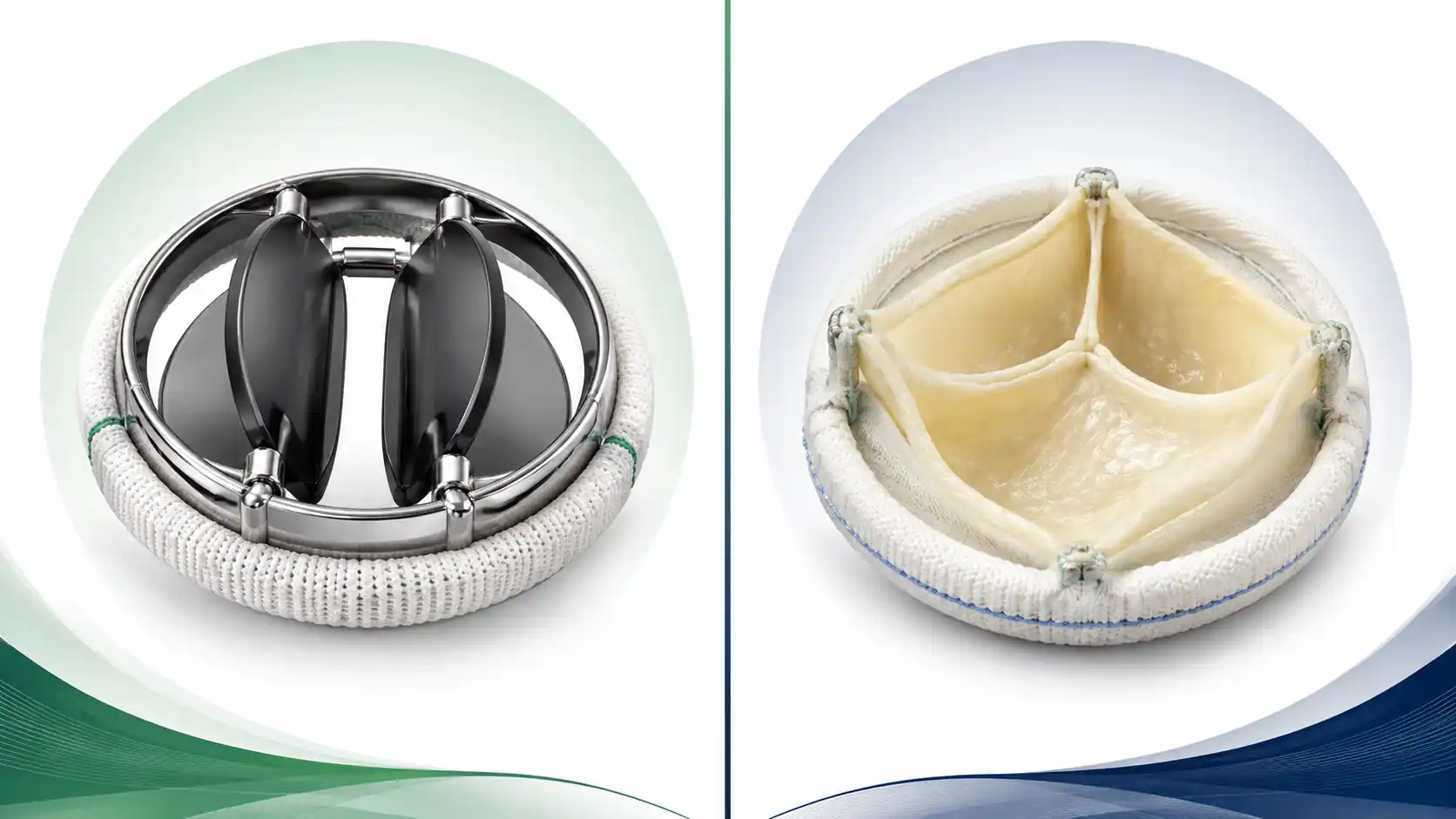
Mechanical Valve
Made of durable materials and built to last a lifetime. Requires lifelong blood-thinning medication to prevent clots, and carries a higher long-term bleeding risk. Often preferred for younger patients who want to avoid a repeat surgery.
Biological Valve
Made from treated animal tissue. Typically lasts 10–20 years and does not require lifelong blood thinners. Often preferred for older patients, or anyone who wants to avoid long-term anticoagulation medication.
TAVR / TAVI (Keyhole Valve Replacement)
A minimally invasive, catheter-based technique to replace the aortic valve without open-heart surgery. Suited to select patients, especially those at higher surgical risk, with a much shorter hospital stay.
Valve Repair
In some cases, especially mitral valve disease, the surgeon can repair rather than replace the valve — preserving your own tissue and avoiding an artificial valve altogether.
What to Expect — Step by Step

Pre-op evaluation (2–3 days before surgery)
Echocardiogram, ECG, blood work, and a consultation with your cardiac surgeon to confirm the right valve type for you.
Surgery day (2–4 hours)
Performed under general anaesthesia; minimally invasive or TAVR options may involve smaller incisions and less time on the table.
ICU monitoring (1–2 days)
Close observation of heart rhythm, breathing, and vitals immediately after surgery.
Hospital recovery (3–5 days)
Supervised walking begins early, pain is managed, and your care coordinator keeps your family updated.
Early recovery (2–4 weeks)
Most international patients are cleared to fly home within 3–4 weeks, once your surgeon confirms you're stable for travel.
Full recovery (6–12 weeks)
Cardiac rehabilitation, gradual return to normal activity, and — for mechanical valves — ongoing blood-thinning medication monitoring.
Key Benefits
Fixes a damaged or leaky valve so the heart can pump normally again
Significantly reduces breathlessness, fatigue, and dizziness
Biological valves last 10–20 years; mechanical valves can last a lifetime
Minimally invasive and TAVR options mean smaller cuts and faster recovery
Most patients feel markedly better within a few weeks
Backed by cardiac rehab and long-term follow-up care
Risks — and What We Do to Minimise Them
Like any major heart surgery, valve replacement carries risks including infection, bleeding, irregular heart rhythm requiring a pacemaker, or in rare cases, stroke. Mechanical valves also carry a lifelong bleeding risk due to blood-thinning medication, while biological valves may need reoperation sooner as they wear over time.
These risks are why we only work with accredited hospitals with dedicated cardiac ICUs, experienced cardiothoracic surgical teams, and structured post-op monitoring protocols. Your surgeon will review your personal risk profile — including which valve type suits you best — before you commit to surgery.
Heart Valve Replacement Cost Comparison
| Region | Package Cost (USD) |
|---|---|
| India | $7,000 – $15,000 |
| Singapore | $30,000 – $60,000 |
| USA / UK / Western Europe | $80,000 – $180,000 |
Prices are indicative, all-inclusive package estimates. Actual cost depends on the hospital, surgeon experience, valve type (mechanical, biological, or TAVR), and your individual clinical condition.
Frequently Asked Questions
Is heart valve replacement surgery safe?
Yes. Valve replacement is a well-established cardiac procedure with success rates of 95–97% at experienced centres, and decades of outcome data behind both mechanical and biological valve options.
Which is better — mechanical or biological valve?
Neither is universally "better" — it depends on your age and lifestyle. Mechanical valves last a lifetime but require lifelong blood-thinning medication. Biological valves avoid that medication but typically last 10–20 years before they may need replacing. Your surgeon will recommend the right fit for you.
What is TAVR/TAVI, and am I a candidate?
TAVR (Transcatheter Aortic Valve Replacement) is a minimally invasive, catheter-based way to replace the aortic valve without open-heart surgery. It's often used for patients with severe aortic stenosis, especially those at higher surgical risk, and involves a much shorter hospital stay — typically 1–3 days.
How long do I need to stay in India for valve replacement?
Most international patients plan for 4–5 weeks total — a few days before surgery for evaluation, 5–7 days in hospital, and 2–4 weeks of recovery before flying home (shorter for TAVR patients).
How much does valve replacement cost in India compared to the US or UK?
Valve replacement in India typically costs $7,000–$15,000, compared to $80,000–$180,000 in the US, UK, or Western Europe for the same procedure — often at hospitals with comparable accreditation and outcomes.
Can I get a medical visa and travel support?
Yes — our team assists with medical visa invitation letters, hospital appointments, airport pickup, interpreter support, and accommodation for you and an attendant.
Why Choose Health Nirvaana
We work only with accredited cardiac hospitals and internationally experienced cardiothoracic surgeons. Every patient is assigned a dedicated care coordinator — from your first enquiry, through surgery, to your flight back home.
Ready to take the next step?
Share your echocardiogram report with our team and get a personalised treatment plan and cost estimate — no obligation.